
Cold Email vs Warm Outreach - The Complete 2026 Comparison Guide
Cold email vs warm outreach — which one actually works in 2026? Compare reply rates, deliverability tips, and a smarter combined strategy.
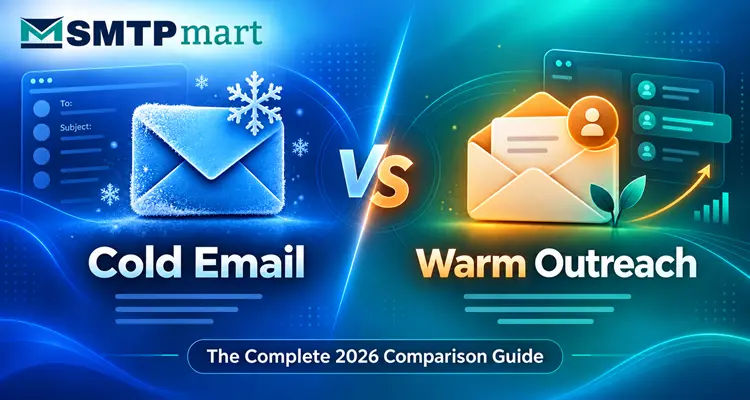
If you have ever tried to grow a business through email, you have probably asked yourself the same question again and again. Cold email vs warm outreach. Which one actually works? It sounds like a simple question, but the answer has changed a lot over the past few years, and it keeps changing in 2026 as inboxes get busier and people get more careful about who they trust.
This guide will walk you through the full cold email vs warm outreach comparison. No complicated words. Just an honest look at what works today, what does not, and how you can use email marketing services and smart outreach planning to get real results whether you run a small business, work in sales, or manage marketing for an agency.
What Is Cold Email vs Warm Outreach?
Let us start with the basics. In the cold email vs warm outreach conversation, everything comes down to one simple idea: trust.
Cold email is a message you send to someone who has never heard of you before. They never signed up for anything. They never asked you to reach out. You are showing up in their inbox as a total stranger, hoping they will give you a chance.
Warm outreach is different. It is a message sent to someone who already has some kind of connection with you. Maybe they follow your brand on social media. Maybe they read one of your blog posts last month. Maybe a mutual friend gave them your name. Whatever the reason, there is already a small amount of trust before you even hit send.
This single difference, trust, is really the heart of the entire cold email vs warm outreach debate. Once you understand that, everything else about reply rates, open rates, and results starts to make a lot more sense.
Why the Cold Email vs Warm Outreach Debate Feels Bigger in 2026
A few years back, this question did not matter as much. Cold email used to work fine on its own. You could send a batch of messages and expect a decent number of replies. That world does not really exist anymore, and there are a few clear reasons why.
Everyone is sending outreach now. AI tools made it incredibly easy to write and send messages at scale. So naturally, everyone started doing it, and inboxes got noisy fast. This is a big reason why cold email reply rates 2026 numbers keep dropping across almost every industry.
Spam filters got a lot smarter. Gmail and Outlook now use AI to spot outreach patterns before a human ever sees the email. A lot of cold emails simply never make it to the inbox, which is a direct hit to cold email deliverability.
People have learned to tune out strangers. Buyers today get pitched constantly. They have trained themselves to skip anything that smells like a sales message from someone they do not recognize.
Authentication is no longer optional. Setting up SPF, DKIM, and DMARC properly used to be a nice extra step. Now it is a basic requirement, and skipping it hurts your cold email deliverability before your message even has a chance.
Put all of that together, and you can see why the cold email vs warm outreach discussion has become such a hot topic for businesses of every size in 2026.
Cold Email vs Warm Outreach: What the Real Numbers Show
When you look closely at outreach performance data this year, the pattern is pretty clear. Cold email reply rates 2026 figures have dropped quite a bit compared to a few years ago. Meanwhile, campaigns built around a solid warm outreach strategy tend to convert much better simply because the recipient already knows something about the sender.
That said, this does not mean cold email is dead or worthless. It means the old approach, blasting the same generic message to thousands of strangers, no longer gets the job done. The gap between cold outreach vs warm inbound results has grown wider, and businesses that ignore this shift are quietly burning through their budgets without realizing it.
A Quick Way to Picture the Difference
Think about two emails landing in your own inbox this week. The first one is from a company you have never heard of, pitching you a product you did not ask about. The second one is from a person whose podcast you listen to every week, mentioning something they know you would find useful.
Which one are you more likely to open? Which one are you more likely to reply to? That gut reaction is exactly why the cold email vs warm outreach debate exists. It is not really about email technology at all. It is about basic human trust, and how much of it you have already earned before you ask for someone's attention.
Cold Email vs Warm Outreach: Side by Side Comparison
Here is the comparison table:
Factor | Cold Email | Warm Outreach |
|---|---|---|
Starting trust level | None. The recipient does not know you. | Some trust already exists. |
Typical reply rate | Low, and still falling in 2026. | Noticeably higher on average. |
Speed to first result | Can move fast, but results are unpredictable. | Takes longer to build, but tends to be more stable. |
Deliverability risk | Higher, unless the sender is properly warmed up. | Lower, since the sender is already recognized. |
Best use case | New markets, testing ideas, early awareness. | Long term growth, referrals, repeat business. |
Scalability | Easy to send in large volume. | Slower to grow, but the benefits compound over time. |
This table gives you a quick snapshot of the cold email vs warm outreach picture. Neither one wins in every situation. It really depends on your business, your goals, and how much time you have to build relationships before you need results.
When Cold Email Still Makes Sense
Despite everything working against it, cold email is not something you should throw away completely. It still has a real place in a smart email outreach best practices plan, especially in these situations:
You are entering a brand new market. If you have zero existing contacts anywhere in that space, cold email is often the only realistic way to open the first conversation.
You are targeting a small, well researched list. A short list of ten or twenty highly relevant contacts will almost always beat a huge list of a thousand random names.
You are running an early email marketing campaign to test an idea. Cold email can be a quick way to see if a message or offer resonates with a new audience before you invest more time and money.
The trick is treating cold email as one piece of a bigger B2B email outreach strategy rather than the entire plan by itself.
When Warm Outreach Works Best
A thoughtful warm outreach strategy usually pays off more in the long run because it is built on real relationships instead of guesswork. Warm outreach shines in situations like these:
You already have happy customers. A referral from someone who already trusts you is one of the strongest forms of warm outreach there is.
You publish content that actually helps people. Blog posts, videos, and social media posts that solve real problems naturally attract people who become warm leads over time.
You have people already engaging with you. When someone comments on your posts or replies to your newsletter, reaching out to them directly feels natural instead of forced.
This is exactly why so many businesses are shifting part of their budget away from pure cold campaigns and toward a warm outreach strategy that earns trust before the first real pitch is ever sent.
Cold Outreach vs Warm Inbound: Which Should Come First?
If you are just getting started, the cold outreach vs warm inbound decision usually comes down to speed versus quality. Cold outreach can get your name in front of people faster, but the quality of those replies tends to be lower on average. Warm inbound takes more time to build, but the people who do respond are often more serious and closer to being ready to buy.
Most growing businesses do not pick one side of the cold email vs warm outreach debate and stick with it forever. They blend both approaches, using cold outreach to spark new conversations and warm follow up to actually close them.
How to Improve Cold Email Deliverability in 2026
If cold email is going to be part of your plan, protecting your cold email deliverability has to be a top priority. It does not matter how good your writing is if the email never even lands in someone's inbox. Here is what actually helps:
Set up SPF, DKIM, and DMARC properly. These records tell inbox providers that your emails are trustworthy and not coming from someone trying to impersonate a brand.
Warm up your sending domain slowly. Jumping straight into high volume sending from a brand new domain is one of the fastest ways to hurt your cold email deliverability. A gradual email warm up before your first real campaign protects your sender reputation.
Keep your list clean. Regularly remove bounced, invalid, or inactive addresses so you are not sending into a void.
Use a dependable SMTP relay for cold email campaigns. Solid sending infrastructure lowers your chances of landing in spam and keeps your reputation healthy over time.
Avoid language and formatting that screams spam. Too many links, all caps subject lines, and generic sales phrases are exactly what filters are trained to catch.
Personalized Email Outreach Really Does Change Everything
No matter which side of the cold email vs warm outreach debate you lean toward, personalized email outreach almost always beats a generic template. A message that references something real and specific about the person you are writing to, their business, something they recently posted, or a shared connection, feels human rather than automated.
This matters even more now because people can spot a mass produced, AI written message almost instantly. Personalized email outreach helps both cold and warm messages actually stand out in a crowded inbox instead of blending into the noise.
Simple Outbound Sales Email Tips That Actually Work
Whether you are leaning toward cold email or building out a warm outreach strategy, these outbound sales email tips apply either way:
Write subject lines that sound like a real person wrote them, not a marketing department
Make the first sentence about the reader, not about your company or your pitch
Ask one clear, simple question instead of pushing for a sale right away
Follow up two or three times with something new to say, not just a repeat of the first message
Pay attention to replies and conversions, not just how many people opened the email
These outbound sales email tips work well because they put the reader's experience first, and that builds trust faster no matter which side of the cold email vs warm outreach split you are focused on.
Email Marketing vs Cold Email: Two Different Things
It is easy to mix up email marketing vs cold email, but they are not really the same thing at all. Email marketing goes out to people who already subscribed or opted in somewhere along the way. Cold email goes to people who never gave that permission and may not know your brand at all. Understanding the difference between email marketing vs cold email matters because each one comes with its own rules around consent, tone, and how often you should be sending.
Common Mistakes That Hurt Both Cold and Warm Campaigns
Even with the best intentions, a lot of businesses run into the same problems. Watching out for these mistakes can save you time and protect your sender reputation.
Sending too fast, too soon. Rushing into high volume sending without warming up your domain often backfires and damages long term deliverability.
Treating every warm lead like a cold stranger. If someone already knows your brand, sending them a generic cold template wastes the trust you already earned.
Ignoring the follow up. Many replies come on the second or third message, not the first one, yet a lot of people give up too early.
Focusing only on open rates. A high open rate means nothing if nobody replies or takes action. Replies and conversions tell the real story.
Skipping proper email services and infrastructure. Relying on a poorly configured sending setup will quietly sabotage even the best written email.
Building a Strategy That Uses Both Sides
The honest answer to the cold email vs warm outreach question is usually this: use both, just in the right proportion for your business. Whether you are running a small test or a full scale email marketing campaign, a balanced B2B email outreach strategy might look something like this:
Use cold email to open the door with new, relevant prospects
Use helpful content and community engagement to slowly build a warm audience
Move cold leads into warmer, more personal follow up once they show real interest
Ask happy customers for referrals to keep your warm pipeline growing naturally
This kind of blended approach keeps you from putting all your eggs into one basket in the cold email vs warm outreach debate. Instead, you build a system where both channels quietly support each other over time.
Final Thoughts
There is no single winner in the cold email vs warm outreach debate that fits every single business. Cold email still earns its place, especially when you are entering a new market or testing a fresh idea. A solid warm outreach strategy tends to bring stronger, more reliable results simply because it starts from trust instead of starting from zero.
The businesses doing well in 2026 have mostly stopped treating cold email vs warm outreach like a competition. Instead, they weave both into one connected outreach best practices system. Start the conversation with cold email, then nurture it with warm follow up, real personalization, and consistent value over time.
Frequently asked questions
Cold email usually costs less to get started since you mainly need a list and a sending tool. Warm outreach often takes more upfront investment through content or community building, but it tends to bring stronger long term value per customer.
Related articles

Sep 11, 202611 min read
What is BIMI? A Simple Guide to Showing Your Logo in Every Inbox
What is BIMI and how does it work? Learn what BIMI means, why it matters for email marketing, and how to set it up to show your brand logo in every inbox.
Read more
Sep 9, 202610 min read
Email Marketing Benchmarks 2026: The Complete Guide by Industry
Compare your email marketing benchmarks by industry for 2026. Get open rate, click rate & KPI data, plus tips to improve every metric.
Read more
Sep 3, 202610 min read
10 Best Email Blast Campaign Services You Can Trust in 2026
Compare the top email blast campaign service providers of 2026 and find a reliable option that fits your business needs today.
Read more